In the United States, a home gets robbed every 25.7 seconds. Over one million burglaries happen annually, and in under 10 minutes. It takes this long to complete a small chore like making coffee. Most criminals aren’t arrested, so it’s important to plan for theft concerns and prevent home burglary.
You cannot avoid burglaries or tackle the issue altogether. However, you can reduce elements that make your home a high-risk target. Through this guide, you’ll learn how to prevent thieves with a practical action plan to secure your home with simple habits, modern technology, and physical barriers. You can also review these DIY home security measures for additional ways to improve your property’s protection.
I. Identify Weak Points in Your Home
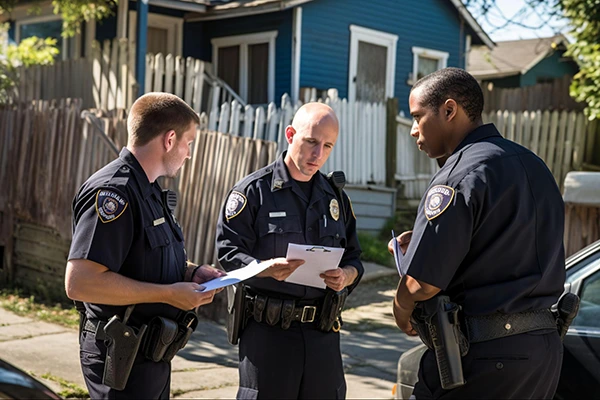
One of the first steps you need to take for home burglary prevention is analysing your entire home and looking for elements that might potentially make it easy for burglars. You could also get your local police department personnel to visit and assess the security condition of your place. Calculate the next steps you must take accordingly.
Now let us learn in detail how to prevent thieves from entering your house.
1. Analyse from a Burglar’s Perspective
Scan all your home exterior and interior thoroughly. Check for spots that can be broken into easily or spied upon. Keep an eye on all your valuables and their visibility from said weak spots. Some rarely looked-into spots could be pet doors and places where you store your spare keys, which make for easy access ways that can be discovered and taken advantage of quickly.
2. Get a Police Security Check
You can contact your local police department on their non-emergency number or the sheriff’s office to see if they offer a free home inspection and home security tips, and to schedule a visit. They will help you identify the vulnerable spots in and around your house and provide recommendations for devices, locks, and alarms.
3. Statistical Awareness
Home burglaries generally take place during the daytime, between 10 AM and 3 PM on weekdays. 37.8% of them are considered unlawful entries, ranging from open windows to unlocked entry and exit points. Estimatedly, only 10% of homeowners use their security systems at night, and that is the reason why only 13% of burglars are arrested in the United States.
II. Heighten Your Premises Protection
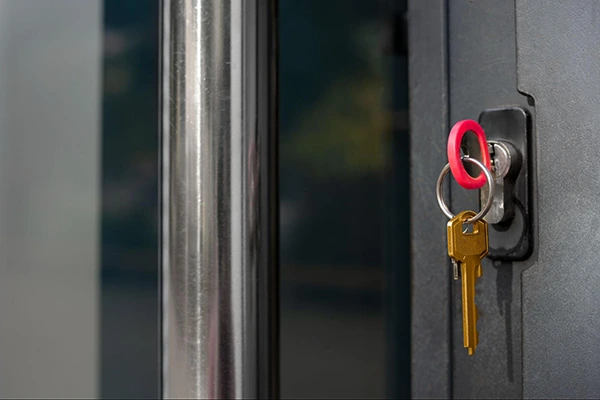
Following the security checks and inspection, it is time to think about repairs or installations/re-installations of new doors and locks, foolproofing all windows and glass doors, and finally making it a point to always lock your garage doors on your way out and while staying in. These are some effective ideas to keep in mind if you wish to learn how to secure your home.
1. Locking Doors and Windows
When burglars target homes, they specifically look for places that have outdated window and door frames, easily broken and therefore more vulnerable. Changing all your old locks and installing double-key deadbolts and floor locks on all doors, even the basement ones, is key to preventing theft.
Shockingly, home intruders are also known to simply walk in through the front door, pretending to be a new neighbor, salesman, surveyor, or a service worker arriving at the wrong house mistakenly. Such ordeals make interrogation and alertness highly important.
2. Securing Windows
Ground floor and first floor windows make primary entry points for home intruders. A wireless alarm kit makes a sound when the window is opened and comes for a price as low as $25. Small basement windows that are easy to break should have metal bars or safety glass installed to avoid any mishaps. For additional coverage around vulnerable areas, wireless security cameras can also be considered as part of a broader security setup.
3. Securing Glass Doors
As sliding glass doors are easy to unlock and slide open, a broom handle can be used to keep them secure. Another cheap option suggested by the Baltimore Police Department is to add a cut-to-length dowel to physically block the door. Additionally, consider installing privacy glass to prevent strangers from peeking inside your home.
4. Garage Doors
Garage doors make for an easy access point, since it is often neglected. Set a daily reminder to check up on your garage locks and consider getting a deadbolt lock for added safety. If you have an automatic door opener, disconnect it when not in use. It is suggested to add a sensor to note any suspicious movements, since burglars could snoop on your car, tools, and other belongings inside the garage even if they don’t enter your home.
III. Increase Lighting and Landscape Functionality
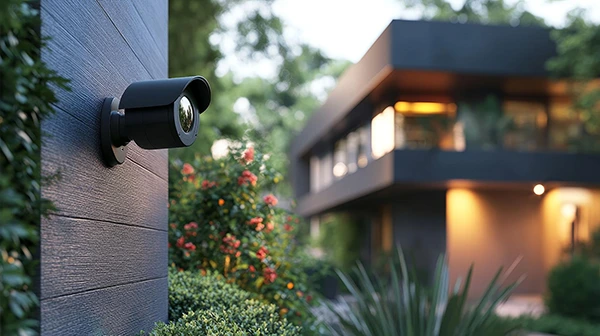
Lighting and landscape are major factors contributing to how secure your property might look to a stranger. For this reason, controlling and maintaining outdoor security cameras for home, along with landscape and interior lighting systems for your home, is crucial. Similarly, taking care of extra factors such as planting thorny bushes and using gravel for walkways is a good method to alert everyone.
Let’s start with the basics on how to prevent thieves from entering your home by discussing these functional details.
1. Better Lighting
Update the lighting around your house with motion detectors and a floodlight camera. Position them at your entrance in a way that avoids blind spots, and at all corners of your house for complete coverage. As per Tulane Public Safety, the lighting around your house should be out of reach and vandal-resistant.
2. Landscape Security
Ensure that there is no potential for any hiding spaces in your landscape. Trim or cut down any trees that might provide access to a second story of your house. It is advisable to plant trees at a distance from your building for this reason. Security.org points out that plants like roses, cacti, and agave, along with bougainvillea and holly, are known to be painful because of their thorns. They can be used around entryways and ground-floor windows to deter intruders.
Standard concrete hardly creates any noise, which is why it is a good option to layer your yard with gravel. Not only will this alert you, but it will also make your neighbors aware of intruders lurking around.
IV. Necessary Installations and Neighbor Check-Ins
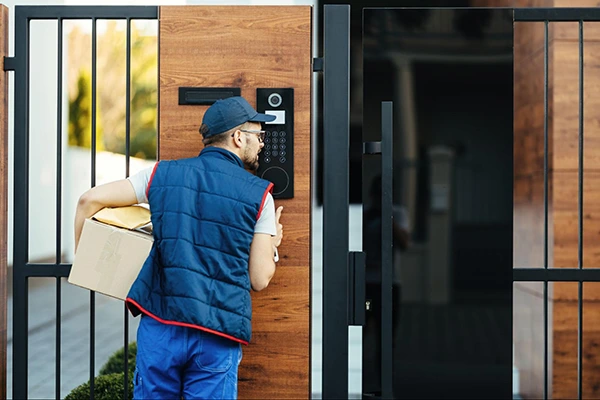
Investing in a good security system is one of the most effective home security tips; put security-related signs and stickers on display around the premises, and have a good rapport with your neighborhood community so that they can check in regularly and take action if you are not around.
1. Home Security Systems
A home security camera system, including a camera that has night vision and comes with a hard drive to store video recordings, is a good way to scare away intruders. This system should cover all the areas of your property with its wide-view function. The alarm signs should be displayed right around the front and back doors to frighten an opportunistic thief and alert your neighbors.
Video doorbells are extremely effective in catching criminals in the act. It offers two-way communication too, so you can answer from anywhere, and you don’t have to open the door to interact. Doorbell cameras can provide another layer of monitoring around the entrance. Ensure that all the cameras are visible and weather-resistant so potential lurkers stay cautious.
2. Security Signs and Stickers
Alarm companies usually provide yard signs, stickers, and even magnets to let passersby know that you have a security system installed. These signs might be able to keep thieves away from your home, since it puts their identity at risk. Put these signs at a good height so that they are visible from a distance and no one can reach them to vandalize them and such.
While most burglars are not deterred by them, according to the San Jose Police Department, the stickers and signs could still make a difference sometimes.
3. Neighbor Check-Ins
If you have moved to a new neighborhood, make it a point to build a good relationship with your neighbors. Active participation in your community will help you build rapport strong enough so that if they notice unusual movements and suspicious people roaming around your house, they can inform you.
Moreover, such incidents can be further discussed on community social platforms so the entire area stays aware and everyone looks out for each other. This will also help people learn how to prevent thieves and help protect their families.
V. Not Advertising Outstation Schedules and Ways to Look Occupied
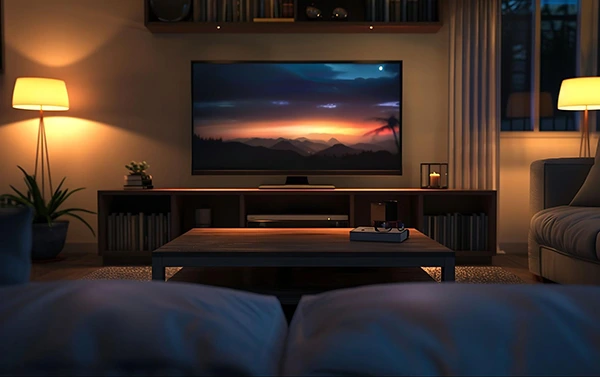
Using timers on lights, television, or even a radio takes away the suspicion that someone could be away from their home. Simultaneously, packages and all kinds of deliveries can be collected by your neighbors or family living close by. The most important part here is not to announce your vacation plans anywhere until you are back.
The aforementioned home security tips help you realise how to make your house less of a target with easy solutions. Let’s see how social media helps us prevent home burglary.
1. Timers for Lights and Media
Buy timers that turn on lamps according to your needs. Make changes to your porch light routine, and switch up the days and frequency of lights to confuse passersby with suspicious intent. This method is especially useful when you are not at home, and it also eliminates the chances of concealment in case of a potential burglary.
Alternatively, you could leave a radio or television on to indicate that someone is still home. This is an inexpensive way to protect your home.
2. Mail and Packages
For the time that you are away from home, let your neighbors collect all kinds of deliveries on your behalf regularly. In case you don’t have trusted neighbors around, request a mail hold through your local postal service.
When you are at home, have your text/email notifications turned on to get alerts about delivery times and know exactly when to expect your packages. Customize delivery instructions and create schedules accordingly to reduce unexpected ruckus at your doorstep. Furthermore, track your parcels in real time and get lockable delivery boxes to protect your home.
3. Not Announcing Outstation Schedules
If you are unable to arrange someone for your home while out of town, inform responsible family members and trusted neighbors to check in on your house once in a while. Avoid advertising your vacation details, like dates and such, on social media platforms. Save all the information and pictures until you return.
Be selective with who you decide to share your travel details with. Try limiting access to all personal information pertaining to trips to your close friends and family. Avoid geo-tagging posts on the internet by turning off location services, in case suspicious people are looking for a sign.
VI. Securing Valuables at Home
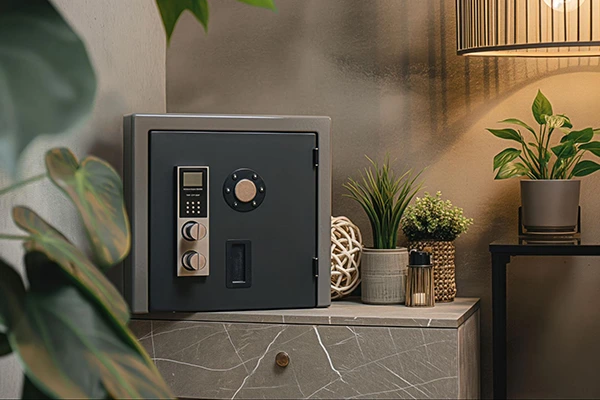
Interior safety is as important as taking care of the external factors in order to protect your home, with so many valuables lying around. A couple of ideas to help: maybe investing in a safe, backing up your data, and documenting every purchase you have made, especially the expensive items.
1. Installing a Safe
Install a manufacturer-approved heavy safe, attached to a wall or a concrete floor that can bear loads, since safes that aren’t secured properly can simply be carried by burglars. Pick one that is fire-resistant and protects against forced entry so that it can’t be tampered with.
An ideal placement for safe installation is in a low-visibility area with controlled access and environmental safety, which could be in the form of a false panel, a utility room, or even a concealed cabinet.
2. Data Backup
Save all your important files and documents to an external solid-state drive (SSD) and store it in a safe, unexpected place to protect sensitive data like Social Security numbers, passport details, login credentials, private messages, emails, banking and credit card numbers, along with medical records.
Use an encrypted cloud service for automatic daily backups and keep multiple copies of it on different media types, with at least one copy stored off-site. The University of Lincoln suggests keeping everything up to date and checking it regularly to ensure you still have access to the information and that there is no case of identity theft.
3. Documenting Valuables, Purchases, and Prices
A home inventory includes a complete list of your personal items in your possession. It helps you prove ownership for an insurance claim if a theft happens. Note down descriptions of things you buy, specifically the expensive items. It could be the name of the brand, purchase dates, pictures of the product, whether they have any serial numbers, and receipts, stored digitally and in paper format for high-cost items.
You are more likely to get reimbursed if you can show a lost item’s value and condition. It helps determine if you have enough insurance coverage. Store the inventory in a safe and update it regularly.
VII. How to Deal with Break-Ins?
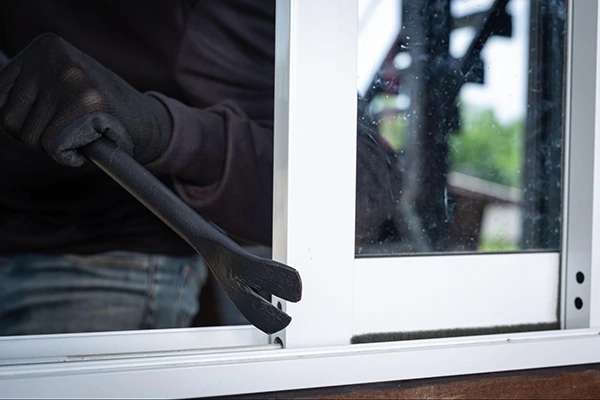
In case of a break-in, safety should be your utmost priority. The next step is to call the police immediately and provide all necessary information as soon as you get to a safe location. After the burglary has happened, it is suggested not to tamper further with evidence, as it will be crucial for a successful investigation.
Step 1: Personal Safety

In case of a burglary, remove yourself from your premises first. Move to a secure place outside. It is suggested to pick a spot that is visible so people in your locality can see and hear you at the earliest.
Step 2: Contact the Police
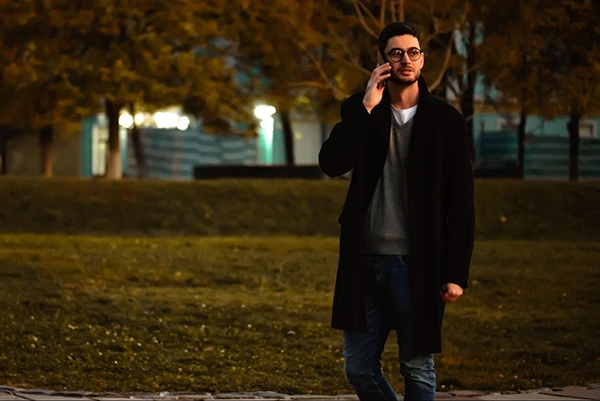
Call your local police on 911 with your phone or use a neighbor’s cell and provide your address. Give them any extra information available. It could be a license plate number of a suspicious vehicle or a description of what the intruder looked like.
Step 3: Avoid Tampering with Evidence
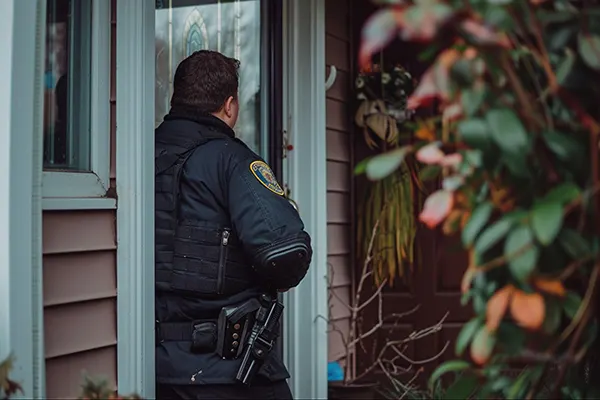
Do not touch anything or clean your house in such situations. There could be a lot of vital information, like fingerprints and maybe even blood, that would make significant markers for a successful investigation. Therefore, wait for a thorough inspection first.
Conclusion
It can be overwhelming to figure out how to deal with frightening issues such as thefts, but knowing how to prepare for such situations in advance will give you some peace of mind.
Burglars follow patterns and act accordingly, so combine physical security, smart technology, curate simple habits in your routine, and share awareness with your community so that everyone stays safe and knows how to prevent thieves from paying a visit. Depending on your property and coverage requirements, you can also consider home security camera installation as part of a broader protection plan.
FAQs
What houses do burglars avoid?
Burglars generally avoid houses that appear consistently occupied, with visible security systems everywhere and pets making noises. An active household is a high-risk challenge since they look for easy targets.
What is the best deterrent for thieves?
Pets like dogs are highly observant of suspicious actions and noises, and they can also be great at tackling intruders. Additionally, alarms, signs or magnets, and motion-activated lights are also good deterrents for thieves.
How do I protect myself from thieves?
Always lock all windows and doors with deadbolts, dowels, or metal bars, even when you step out briefly. Eliminate hiding spots, get better lighting around your premises, and install cameras for wider coverage. Hide and store your valuables properly.
What time do houses usually get robbed?
Burglaries happen between 10 AM and 3 PM during weekdays. Most people are at work or in school, leaving the house empty. The timing lets them blend in with the crowd without looking suspicious and navigate the property better.
How to tell if my house is going to get robbed?
Unfamiliar cars, strangers frequently loitering and seemingly spying/recording information, or random people showing up to distribute flyers, ask questions, and leave markers are some signs that you need to be alert.
Sources: