Choosing the best outdoor security cameras is hard when there are so many models to compare. Some offer advanced AI detection and up to 4K resolution, while others are reasonably priced and offer easy installation or outstanding night vision. This guide shows homeowners how to compare the best outdoor security cameras in 2026 by camera type, features, price, and security needs. This comparison is based on camera type, features, price, and security needs.
Instant picks :
- Best Overall Outdoor Security Camera
- Best Wireless Outdoor Security Camera
- Best Wired Outdoor Security Camera
- Best Budget Outdoor Security Camera
- Best 4K Outdoor Security Camera
- Best Outdoor Camera Without a Subscription
Camrelo reviews cameras according to their video quality, strength, night vision technology, smart technology features, storage solutions, and installation processes.
- How We Choose the Best Outdoor Security Cameras
- Best Outdoor Security Cameras by Type
- Wireless vs. Wired vs. PoE Outdoor Cameras
- Do You Need a Subscription? Costs to Know
- What to Look for in an Outdoor Security Camera
- Where to Place Outdoor Cameras Around Your Home
- DIY vs. Professional Installation
- Outdoor Camera Privacy and Legal Basics
- Frequently Asked Questions
- Final Verdict: Which Outdoor Camera Should You Choose?
How We Choose the Best Outdoor Security Cameras
Picking the top outdoor security cameras involves more than just reading technical specifications. A camera may boast excellent specifications but still leave users with grainy pictures at night or record nothing when someone rings your doorbell. Cloud fees can add up to more than the camera’s original price over three to five years. To narrow down the search and select the most appropriate type of outdoor camera for specific needs, we evaluated models on these criteria on the various models of the best outdoor cameras by considering different aspects.
The following areas of evaluation of the cameras are required before purchasing:
- Video Quality: The measures considered include resolution (2K or 4K), dynamic range, the ability to capture an image in difficult lighting conditions, etc. We have assessed the clarity of the faces and the license plates at the distance of an average driveway.
- Night vision: The features evaluated include infrared night vision versus colored night vision, maximum effective distance, etc. Both modes – with and without porch lighting – have been tested.
- Weather rating: We consider IP65+ standards as the starting point for evaluation. The evaluation takes into account the range of operating temperatures, rain, heat, and freezing conditions
- Storage: Local storage solutions (such as microSD, hubs, and NVRs) vs. only cloud-based options, checking if the video footage can still be accessed if the internet fails.
- Power supply: wired, battery, solar, or Power over Ethernet. In case of battery-powered cameras, we measured the actual battery life instead of going by the manufacturer’s claims.
- Smart detection: how well the camera differentiates between people, vehicles, animals, and packages on the one hand and moving branches and passing cars on the other, and whether the feature is free or provided only as part of a subscription.
- App reliability: speed of notifications, time lag of live view, and how often the connection drops or the app fails.
- Total cost of ownership: price of the device plus 3 years of subscription fees, costs of additional equipment, and battery replacement costs. This is where many “budget” models fail.
We strove to ascertain the best outdoor security camera system for different needs, budgets, and installation options.
Author: Camrelo Security Cameras Installation team – professionals engaged in household surveillance systems installation.
Reviewed by: Camrelo Technical Team – analyzed the device compatibility for installation, camera performance, and household needs.
Best Outdoor Security Cameras at a Glance
Our comparison table below shows the best outdoor cameras available. You can purchase either a single camera or a set of outdoor security cameras based on your needs. Just check out the last column to see how to utilize the cameras’ full potential by picking the monthly subscription that fits you best.
Let’s have a look at a quick overview of outdoor home security cameras.
| Ideal for | Camera type | Resolution | Power | Storage | Subscription required? |
| Best Overall | Wired bullet | 2K to 4K | Wired (plug-in or PoE) | microSD + optional cloud | No (cloud optional) |
| No subscription: | Bullet or PTZ | 2K | Wired | Local (microSD or NVR) | Typically no. |
| Best Wireless | Battery or solar | 2K | Rechargeable battery or solar panel | microSD or hub + cloud | Optional (some smart alerts locked) |
| Night vision | Spotlight or color night vision | 2K to 4K | Wired | microSD + cloud | Optional |
| Large property | PTZ (pan-tilt-zoom) | 4K | Wired or PoE | microSD or NVR | Typically no. |
| Budget | Wi-Fi bullet | 1080p to 2K | Plug-in | microSD | No (cloud optional) |
| Whole-home system | Multi-camera PoE kit | 4K | PoE (single cable) | NVR hard drive | Typically no. |
Best Outdoor Security Cameras by Type
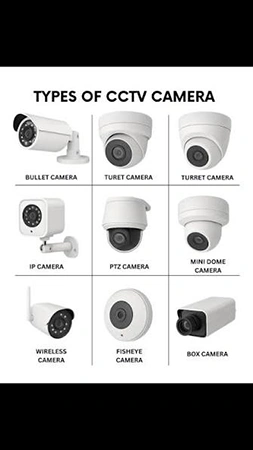
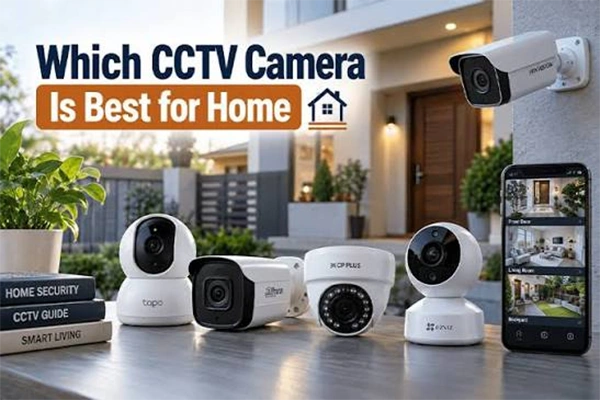
Choosing the perfect camera for your house will depend on the location of your house, your Wi-Fi service, and whether you’re prepared to pay extra fees. Below, you’ll find a selection of outdoor security cameras based on category, and we give a brief overview of what each of these cameras is suitable for. The links will take you to the matching Camrelo product pages.
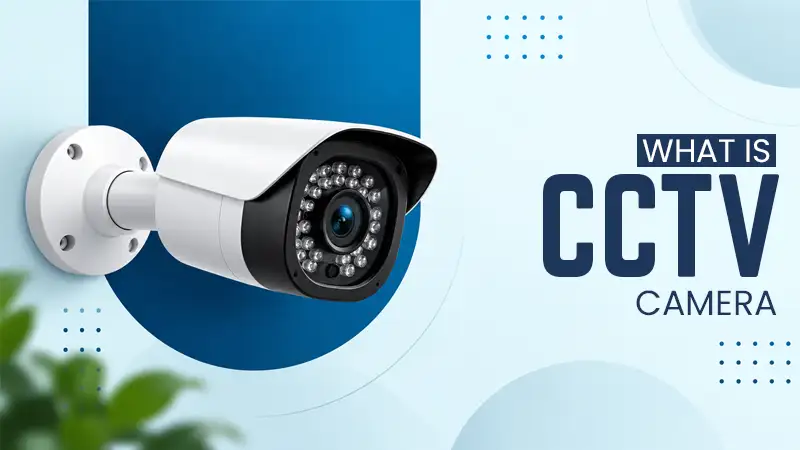
Best Overall: Bullet Security Camera
The wired bullet security camera offers the best mix of price, quality, and usability for most homeowners. You don’t have to worry about recharging batteries since you will get good-quality videos regardless of the time.
Ideal for use in: Front entrances, driveways, and backyards wherever you can run power.
Pros:
- Clear video quality with options of HD, 2K, or 4K quality.
- Easy to aim for a particular location.
- Visibility of the design can prevent crime.
- Wide variety, including wired and PoE models.
Cons:
- Limited field of view because it is fixed.
- Multiple cameras may be required for vast areas.
Explore range of our Bullet Security Cameras
Best Wireless Outdoor Security Camera
Wireless cameras can be set up without running cables, making them perfect for hard-to-reach wired areas.
Best suited for: Individuals looking for an easy-to-set-up wireless security camera.
Pros:
- Battery-operated, plug-in, and solar varieties are available.
- Different installation points can be used.
- True cordless battery-operated system not needing extensive wiring.
- Possibility of monitoring through a mobile device.
Cons:
- Battery-operated models need to be charged often.
- The strength of the Wi-Fi signal affects its performance.
- Some features can require a subscription.
Explore the range of our Wireless security cameras
Best Outdoor Security Camera Without a Subscription
Cameras with a local storage option enable you to record without paying any ongoing fees for cloud service.
Best for: Those who want a good outdoor camera without having to pay for a subscription.
Pros:
- Saving data locally by using an NVR or microSD.
- No obligatory cloud storage service for local recordings.
- More control over recorded footage.
- Ideal for continuous recording.
Cons
- Device limits storage capacity.
- NVR systems require initial configuration.
- Local devices must be protected against theft or harm.
Explore the range of our outdoor security cameras without any subscription.
Best for Coverage: PTZ Cameras
A single pan-tilt-zoom camera offers complete coverage of an area that may require many stationary cameras, which is why PTZ cameras are perfect for large and open areas.
Best suited for: Large yards, lengthy driveways, farms, and commercial perimeters.
Pros
- Wide coverage area with magnification ability.
- Several models feature auto-tracking to follow people and vehicles.
- Patrolling preset routes enable monitoring of several zones.
- Fewer cameras are needed to cover large spaces.
Cons
- They can only look in one direction at a time, so events can occur outside of their field of view.
- Prices are higher than those of standard stationary cameras.
- Moving parts imply wear and tear.
Explore the range of our PTZ cameras
Best Picture Quality: 4K Cameras
The 4K camera system enables the acquisition of significantly greater detail; this is essential if reading a license plate from afar or establishing the identity of an individual is required. The decision to upgrade to this camera is worth it whenever clarity is valued more than the cost.
Ideal use: Driveways, gates, and all locations where identification details matter.
Pros
- More detailed shots and the possibility of digital zooming into the footage
- Improved area coverage from a single camera
- Very useful if the scene captured via a camera is required for filing a report or a claim
Cons
- More voluminous footage means the need for more storage space and bandwidth
- Higher price
- Results in low-light conditions will still depend on the lens and sensor rather than resolution
Check Camrelo 4K cameras
Best for Deterrence: Floodlight and Spotlight Cameras
Bright lighting and an obvious camera make criminals think twice. The floodlight and spotlight models incorporate illumination and video recording in one unit, with illumination making night color footage of better quality.
Ideal use: Entry points, garages, open spaces in the yard, and dark areas of corners.
Pros
- The motion-activated light operates as a formidable visual deterrent.
- It provides greater quality footage after sundown.
- Presence of one or more sirens or a two-way communication capability.
- This gadget can substitute or complement the already-installed outdoor lighting system.
Cons
- It can trigger on animals and passing cars if sensitivity isn’t tuned.
- People may complain about the bright light if it is misaligned.
- It generally needs a wired power supply.
Best for Harsh Conditions: Dome and Vandal-Resistant Cameras
Dome cameras, with a vandal-proof case, are manufactured to withstand physical pressure. A tough case and a non-specific direction of coverage allow these devices to fit unsafe environments.
Suitable For: Cameras being mounted low, rental spaces, entrances to business buildings, and places with challenging weather conditions.
Pros
- Waterproof with good sealing.
- Discreet design makes it difficult to guess to which direction the lens is aimed.
- Great protection against any weather conditions.
- Low visibility of the lens minimizes glare and dirt build-up on the lens.
Cons
- Dome bubbles can become fogged or scratched.
- Infrared rays can reflect from the dome.
- Usually a fixed lens, so you can’t zoom or change the view later.
Check out our range of Dome security cameras.
Best Camera Systems: 4, 8 and 16-Camera Kits
When you require total surveillance, a multi-camera package is easier and more affordable than buying one camera at a time. The best outdoor security camera system is excellent for protecting a larger area because all cameras send images to a single recorder.
Best for: Bigger buildings, different premises, and anyone who prefers to use a single app for all cameras. Wireless camera packages can also work best in places where cabling is difficult.
Pros
- It provides a single application and the same quality of images from all cameras.
- POE kits allow both video and power to be delivered through the same cable.
- Purchasing bundles is usually cheaper than buying items separately.
- Kits can be expanded later, within your NVR’s channel limit.
Cons
- The initial cost is higher than with a single camera package.
- Wired kits require planning.
- Larger systems need more hard drive storage.
How to pick the correct size:
- 4 cameras: One front camera, one back camera, and two side or driveway cameras.
- 8 cameras: Suitable for larger houses or houses with extra buildings.
- 16 cameras: Suitable for mansions, farms, and multiple buildings
Purchase Camrelo camera systems
Best Cellular (LTE) Camera for Locations Without Wi-Fi
If you have remote buildings or places like sheds, gates, job sites, or detached garages out of range of your router, 4G/LTE cameras operate on cellular data, so you won’t need Wi-Fi.
Ideal for: Places like remote buildings, construction sites, rural areas, and vacation homes.
Pros
- Works wherever there is a phone signal
- No dependence on home routers
- Many available models are solar-powered and work completely off the grid
- You will see things remotely from anywhere
Cons
- Requires a data plan, which means extra costs
- Videos may be throttled for the purpose of saving data
- Efficiency depends on the signal capabilities of the area
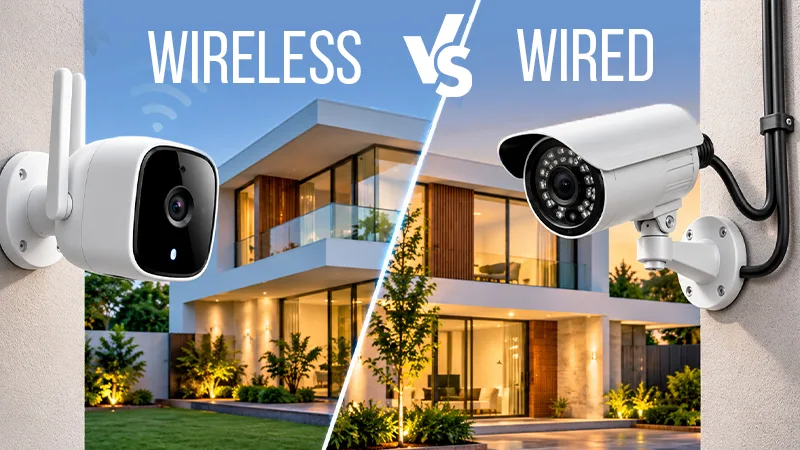
Wireless vs. Wired vs. PoE Outdoor Cameras
For prospective buyers, it is useful to understand what the terminology is. The term wireless has a peculiar meaning when referring to outdoor cameras that still need an energy source.
- Wireless: sends video over Wi-Fi, may still need a power cable.
- Wi-Fi: A way of connecting. Although the camera may be wireless for video transmission, it could be wired for power supply.
- Wire-free: battery or solar, no cables at all.
- PoE: one Ethernet cable for power and video.
Comparison table
| Factor | Wireless (battery or solar) | Wi-Fi (plug-in) | Wired / PoE |
| Reliability | Moderate. It depends on battery capacity and Wi-Fi quality. | Good, but may experience interruptions | Excellent. There is a reliable connection and continuous power supply. |
| Installation | The easiest option. That can be installed in minutes | Easy or moderate as it requires a power supply | The hardest option. That needs more time to install |
| Power | Rechargeable or solar-powered devices. | Use of the outlet or adapter. | It is done through the Ethernet cable. |
| Tamper risk | Higher: Wi-Fi can be jammed, and battery cameras can be taken. | Average. The power source may be disconnected. | The most reliable one. There is no radio signal. |
| Best for | Renters, quick setups, hard-to-wire spots | Easy upgrades near existing sockets. | Permanent installs, new builds, multi-camera setups. |
What Kind of Outdoor Camera Connection is Best for You?
- Choose Wireless: If you’d like flexibility in placement and installation, plus you only need to monitor several locations in your house. Great if there is good Wi-Fi coverage in the house.
- Choose Wired: If you have cable already in place and prefer a stable connection with consistent power.
- Choose PoE: If you want continuous recording, many cameras and one centralized NVR, plus a reliable connection within a more secure property.
For those who want their security cameras to be installed professionally in the yard, Camrelo provides outdoor camera installation services.
If cabling sounds overwhelming, there is no need to do it yourself. Get more information about wireless camera installation services from Camrelo.
Do You Need a Subscription? Costs to Know
Although some outdoor cameras necessitate a monthly subscription, many do not. Some options have monthly fees for cloud storage, while others keep video locally using NVRs or microSD cards. Familiarizing yourself with your choices is beneficial in finding the right outdoor security cameras that don’t require a subscription.
What are Your Total Costs for 3 to 5 Years?
Although subscriptions may appear inexpensive at the start, the cost adds up over time.
For example, $4 per month will run you $144 after three years, and $240 after five years. These amounts may vary from $576 to $960 if you have a system of 4 cameras.
Local storage may have a higher upfront hardware cost but typically does not result in ongoing storage costs. You may need to pay for compatible microSD cards, NVRs, and other similar equipment.
Features that often sit behind a paywall
Certain manufacturers limit the use of advanced features to paid subscriptions, which include:
- Person Detection. AI technology provides alerts that differentiate people from general movement.
- Extended Video History. This gives you the ability to view videos that are beyond the duration of the free storage period.
- Smart Notifications. This means you can get detailed alerts about people, cars, packages, and other movements.
- Cloud Backup. This entails online storage of recorded footage.
- Video Sharing and Downloads. This allows you to share or download your recorded videos.
The features of the camera rely on the manufacturer and the model being used, so check before purchasing.
A free alternative: NVR and local storage
The easiest way to avoid monthly payments is to record the video footage locally. A network video recorder (NVR) allows you to save footage from many different cameras on a hard drive in your house without paying anything. Cameras with on-device AI can offer person detection without a subscription.
What to Look for in an Outdoor Security Camera
When selecting outdoor cameras, bear in mind characteristics such as video quality, night vision, weatherproofing, smart functions, and video storage options. The best outdoor camera system should be able to provide clear images and reliable alerts.
Checklist for Choosing an Outdoor Security Camera
- Resolution: Look for a camera with at least 1080p resolution for monitoring. If you want to see more details, go for 2K or 4K cameras.
- Night Vision: Infrared gives black-and-white video at night. Color night vision uses a light source to keep video in color.
- Weather Rating: Your camera must have an IP65 rating or higher for resistance to dust and water.
- Field of View and Mounting: Pick the right angle of view for your porch, driveway, or yard. Mount your cameras high enough to get an unobstructed view while minimizing the risk of tampering.
- Intelligent detection involves monitoring of individuals, vehicles, and parcels using adjustable sensitivity levels for motion detection zones to limit false alerts generated by pets, traffic, or vegetation.
- The system with two-way audio and deterrent features employs microphones and speakers for communicating with visitors outside.
- The right source of power and a reliable battery can either be wired, PoE-based, battery solution or solar-powered one. Find out about battery life and recharging parameters, including power backup facility.
- Compatibility: Check whether the camera is compatible with other devices within your smart home ecosystem.
Where to Place Outdoor Cameras Around Your Home
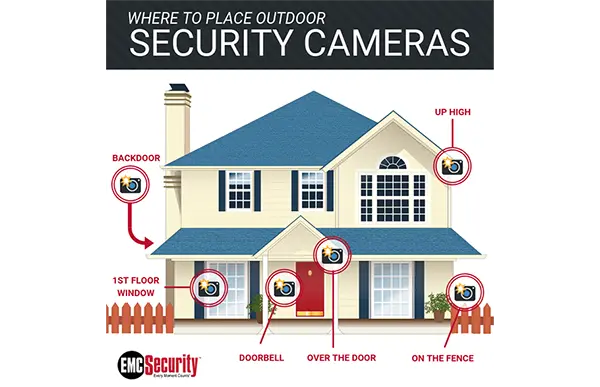
Choosing the right locations for the best outdoor security camera system can help you secure your house from outside threats. Cameras should be positioned in such a way that all points of entry are monitored, outdoor activities are recorded, and there are no blind spots.
Recommended Places for Outdoor Cameras
- Front Entrance: This will help monitor arrivals and departures as well as deliveries.
- Driveway: A camera will catch any traffic as seen from the driveway.
- Garage: This camera should oversee the garage doors and entries.
- Side Doors: Cameras need to observe all side entrances not visible from the front.
- Back Entrance: It is important to have cameras managing back entrances.
- Backyard: It is also useful to monitor areas where yard devices are located.
- Mounting Height: Mount cameras 8 to 10 ft high, angled slightly downward.
- Avoid glare: The camera should not be in direct sunlight.
- Clear obstructions: Cameras should not be behind trees.
- Check connectivity: Make sure that your Wi-Fi is working.
First of all, examine the whole property to locate possible weaknesses, important entryways and power spots, blind areas, and wi-fi non-working zones before mounting cameras.
DIY vs. Professional Installation
When homeowners want to install simple outdoor security cameras for home that run on batteries or plug into a power socket, DIY installation is a great option to go for.
Benefits
- Significantly reduced costs associated with installation.
- Ability to install cameras in compliance with your personal needs.
Common DIY mistakes
- The Wi-Fi signal may be very weak outside.
- The viewing angle may be bad.
- There may be weak fittings.
- There may be incorrect motion detection settings.
It is possible that connecting the cameras to an NVR is not going to work.
What a professional installation adds
- Proper wiring: Everything should be perfect in terms of wiring, including both hiding wires and PoE solutions.
- The best camera placement: position the camera in such a way that no dead spot exists.
- Neat finish: cables hidden and secured, with weatherproof connections.
- Complete setup: everything about NVR is done properly, thus ensuring that it works right from the start.
Help in case something goes wrong.
Get Outdoor Security Camera Installation at Camrelo
If you would like to receive outdoor surveillance without dealing with installation. Then Camrelo is there to help you make the right choice from a range of outdoor cameras, prevent possible losses, and set the system up right.
Get help in setting up your cameras and keep track of your property with pleasure.
Request a Quote for Free and Install a New Security Camera
Outdoor Camera Privacy and Legal Basics
When using outdoor security cameras, it is crucial to ensure that your equipment does not violate the privacy of those living around you. Here are some helpful tips to keep in mind:
- Respect neighbors’ privacy: Refrain from aiming the cameras at the windows of neighbors or their properties.
- Understand the Laws on Audio Recording: The audio recording regulations differ by area, so it is important to obtain consent to record audio.
- Make Sure Your Camera System is Secure: Ensure your camera system is secured by using strong and unique passwords and by enabling two-step verification.
- Update Software Regularly: Ensure your cameras’ software is updated regularly to eliminate vulnerabilities.
Note: Placing the cameras in the right manner and securing your access will go a long way in protecting your home while earning the trust of the neighbors.
Frequently Asked Questions
Which outdoor cameras are best for home use?
The best outdoor video surveillance depends on the users’ preferences. Bullet cameras are useful in general surveillance; PTZ cameras allow the whole area to be covered by the camera, and 4K cameras offer high-quality imaging.
Are there outdoor cameras with no subscription?
Yes, select cameras that offer local storage like microSD cards or NVR systems which help you to record without having to subscribe to any monthly cloud service.
Can outdoor cameras run without a Wi-Fi connection?
Some can; cellular (4G/LTE) cameras rely on a mobile network, and there are cameras that can record locally even without an internet connection.
What is the lifespan of battery outdoor cameras?
The expected lifespan of these cameras is anywhere from a few weeks to several months depending on motion usage, video recording, weather, and more.
Are outdoor cameras waterproof?
Although many outdoor cameras are advertised as weather-resistant without being truly waterproof, IP65, IP66, or IP67 are among the available ratings for dust and water protection.
Can outdoor cameras be hacked, and how do I secure mine?
Yes, cameras can be hacked if they are not properly secured. Set a strong password, enable two-factor authentication, update the firmware regularly, and put cameras on a separate guest network.
Final Verdict: Which Outdoor Camera Should You Choose?
Choosing the right outdoor camera depends on your property, its size, security needs, and budget. Here are three suggestions to look at:
- For everyday home security: Go for bullet-type cameras as they will help monitor front doors, driveways, garage doors, and entrances from outside.
- For flexible installation: Use wireless cameras or solar-powered cameras where installation is hassle-free, without wiring.
- For total property protection: Choose a PoE or multi-camera NVR solution as it will continuously record on-site pictures while covering a bigger area and with more options for monitoring.
Be it a single outdoor camera or a complete camera security solution, Camrelo will help you in your needs.
Ready to secure your home?
Go for Camrelo Security Cameras
Ask for a free consultation and installation quote